 thebravewritingcompany@gmail.com
This phenomenon is not random. It is deeply connected to hormonal changes, blood loss, sleep disruption, and metabolic shifts that occur during menstruation. When these factors combine, they create a perfect storm that impacts energy levels, mood, and physical stamina.
Hormonal Drops That Drain Your Morning Energy
At the start of menstruation, estrogen and progesterone levels drop sharply. These hormones are responsible for regulating energy, mood, and sleep quality. When they fall:
- Energy production slows down
- Motivation decreases
- Morning alertness weakens
Estrogen, in particular, plays a role in supporting serotonin levels, which influence mood and wakefulness. When estrogen drops, serotonin follows, leading to morning grogginess and fatigue.
Blood Loss and Iron Deficiency
One of the most significant reasons for feeling exhausted is blood loss during menstruation, especially for those with heavy flow.
How It Affects Morning Energy
- Loss of blood leads to lower iron levels
- Reduced iron means less oxygen is transported to cells
- This results in weakness, dizziness, and fatigue
Morning fatigue becomes more noticeable because the body has been fasting overnight, making energy reserves already low. When combined with blood loss, waking up feels even more difficult.
Poor Sleep Quality During Your Period
Even if we spend enough hours in bed, the quality of sleep during menstruation often declines.
Common Sleep Disruptors
- Cramps or abdominal pain
- Night sweats
- Frequent bathroom visits
- Anxiety or mood swings
These interruptions prevent deep, restorative sleep. As a result, we wake up feeling unrefreshed and mentally foggy, which explains the heavy tiredness in the morning.
Prostaglandins and Physical Exhaustion
During menstruation, the body releases prostaglandins, chemicals that help the uterus contract and shed its lining. While necessary, they can also cause:
- Muscle aches
- Cramping
- Inflammation
- General fatigue
High levels of prostaglandins can lead to a feeling similar to having the flu, especially in the morning when the body is stiff and less active.
Blood Sugar Fluctuations Overnight
Hormonal changes during your period can disrupt blood sugar regulation. Overnight, this may lead to:
- Drops in glucose levels
- Morning dizziness or weakness
- Sudden energy crashes after waking
When blood sugar is unstable, the body struggles to maintain consistent energy, resulting in extreme tiredness right after waking up.
Dehydration and Fluid Loss
Menstruation can contribute to fluid imbalance. Combined with overnight dehydration, this can cause:
- Low blood pressure
- Headaches
- Morning fatigue
Even mild dehydration can significantly impact how energized we feel in the morning.
Mental and Emotional Drain
Hormonal shifts also affect mental health and emotional balance. During periods, many experience:
- Mood swings
- Anxiety
- Irritability
- Low motivation
This emotional strain can be just as exhausting as physical fatigue. When combined, it leads to a sense of mental burnout first thing in the morning.
Why Mornings Feel Worse Than the Rest of the Day
Morning fatigue during your period feels stronger because:
- The body has been inactive for several hours
- Blood sugar is at its lowest point
- Hormones are still fluctuating
- Pain and inflammation may peak after rest
As the day progresses and the body becomes active, circulation improves, making symptoms feel slightly more manageable.
How to Boost Morning Energy During Your Period
1. Start Your Day with Iron-Rich Foods
Eating foods high in iron can help restore energy levels quickly.
Best options include:
- Spinach
- Lentils
- Eggs
- Dates
Pair them with vitamin C-rich foods for better absorption.
2. Stay Hydrated Immediately After Waking
Drinking water first thing in the morning helps:
- Improve circulation
- Reduce fatigue
- Prevent headaches
Adding a pinch of salt or lemon can enhance hydration.
3. Improve Sleep Quality
To wake up feeling more refreshed:
- Use a heating pad before bed to reduce cramps
- Maintain a cool, comfortable sleep environment
- Avoid caffeine late at night
Better sleep directly reduces morning exhaustion.
4. Light Morning Movement
Even gentle activity can make a huge difference:
- Stretching
- Yoga
- Short walks
Movement boosts blood flow and oxygen delivery, helping the body feel more awake.
5. Balance Blood Sugar Early
A balanced breakfast prevents energy crashes.
Include:
- Protein (eggs, yogurt)
- Healthy fats (nuts, seeds)
- Complex carbs (oats, whole grains)
This stabilizes energy and reduces fatigue.
6. Manage Pain Effectively
Reducing cramps can significantly improve energy.
- Use heat therapy
- Try mild exercise
- Stay hydrated
When pain decreases, energy naturally improves.
7. Consider Supplements if Needed
If fatigue is severe, certain nutrients may help:
- Iron for blood loss
- Magnesium for muscle relaxation
- Vitamin B complex for energy production
Always ensure proper guidance before starting supplements.
When Morning Fatigue May Indicate a Problem
While tiredness during periods is common, extreme fatigue may signal underlying issues such as:
- Iron deficiency anemia
- Hormonal imbalance
- Thyroid disorders
If you experience:
- Severe weakness
- Shortness of breath
- Persistent exhaustion beyond your period
It is important to seek medical evaluation.
Long-Term Strategies to Reduce Period Fatigue
To minimize future fatigue, we should focus on:
Consistent Nutrition
Maintain a diet rich in iron, protein, and essential vitamins.
Regular Exercise
Improves circulation and hormonal balance.
Stress Management
Reduces the impact of hormonal fluctuations.
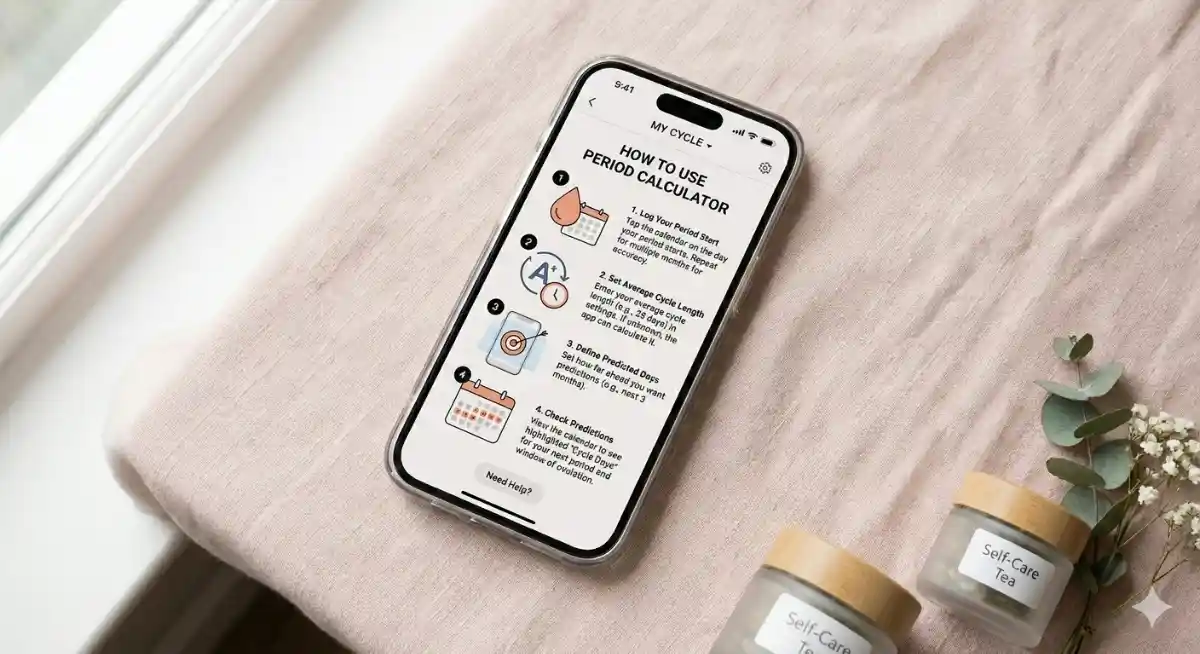
Cycle Tracking
Understanding your cycle helps anticipate and manage symptoms effectively.
Final Thoughts on Morning Fatigue During Periods
Feeling extremely tired in the morning during your period is a result of complex hormonal, physical, and metabolic changes. From low estrogen and iron levels to poor sleep and inflammation, multiple factors combine to drain energy.
By addressing these causes with targeted lifestyle adjustments, proper nutrition, and effective self-care, we can significantly improve how we feel each morning during menstruation.
Consistency is key. Small daily habits can transform how your body responds to your cycle, helping you wake up with more energy and control.