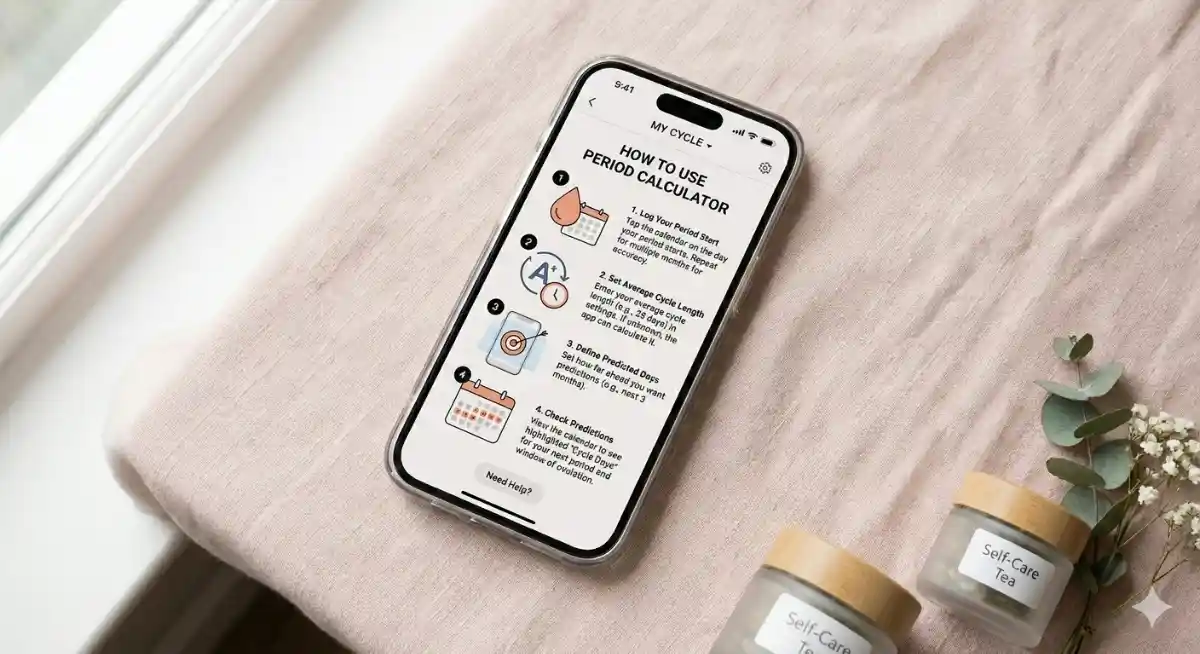
TOOL WEBSITE :- https://periodcalculators.in
Understanding your menstrual cycle with precision is no longer complicated. With the right approach, we can easily predict periods, ovulation days, and fertile windows using a period calculator. In this detailed guide, we explain exactly how to use a period calculator effectively, ensuring accuracy, consistency, and better reproductive health awareness.
What Is a Period Calculator?
A period calculator is a digital or manual tool designed to estimate your next menstrual cycle, ovulation date, and fertile window based on previous cycle data. It uses cycle length, last period date, and average duration to generate predictions.
We rely on this tool to:
- Track menstrual cycles
- Predict upcoming periods
- Identify ovulation days
- Plan or prevent pregnancy
- Monitor irregular cycles
Why Accurate Period Tracking Matters
Using a period calculator correctly provides multiple benefits:
- Improved reproductive health awareness
- Early detection of irregularities
- Better pregnancy planning
- Reduced stress and uncertainty
When we track consistently, the calculator becomes more precise over time.
Step-by-Step Guide: How to Use a Period Calculator
1. Enter the First Day of Your Last Period
The most critical input is the first day of your last menstrual period (LMP). This is the day when bleeding starts, not spotting.
👉 Example:
If your period started on March 1, that is your LMP.
2. Input Your Average Cycle Length
Cycle length refers to the number of days between the start of one period and the start of the next.
- Typical cycle: 28 days
- Normal range: 21 to 35 days
👉 If unsure, calculate the average from your last 3–6 cycles.
3. Add Period Duration
Most calculators ask for how long your period lasts, usually between:
- 3 to 7 days
This helps refine predictions and improves accuracy.
4. Click Calculate or Track
Once all inputs are added:
- Click “Calculate” or “Track Cycle”
- The tool will instantly show:
- Next expected period date
- Ovulation day
- Fertile window
Understanding the Results of a Period Calculator
Next Period Date
This is an estimated date when your next cycle will begin.
Ovulation Day
Typically occurs 14 days before the next period in a regular cycle.
Fertile Window
Usually 5 days before ovulation + ovulation day, when chances of pregnancy are highest.
How to Use a Period Calculator for Pregnancy Planning
We can use the calculator strategically:
To Get Pregnant
- Focus on the fertile window
- Have intercourse during peak fertility days
To Avoid Pregnancy
- Avoid intercourse or use protection during fertile days
Tips to Improve Accuracy of Period Calculators
To get the most reliable results, we follow these proven practices:
Track Consistently
Record every cycle without skipping months.
Update Data Regularly
Adjust inputs if cycle length changes.
Use the Same Tool
Switching calculators can cause inconsistencies.
Monitor Body Signs
Combine calculator data with:
- Cervical mucus changes
- Basal body temperature
- Ovulation symptoms
Common Mistakes to Avoid
Many users get inaccurate results due to simple errors:
- Entering the wrong start date
- Ignoring irregular cycles
- Not updating cycle length
- Assuming predictions are 100% exact
Avoid these mistakes to ensure better tracking.
Using Period Calculators for Irregular Cycles
If cycles are irregular:
- Use an average of the last 6–12 months
- Expect wider prediction ranges
- Combine with manual tracking methods
Irregular cycles reduce accuracy, but consistent tracking still helps identify patterns.
Manual Method: Calculate Period Without an App
We can calculate manually using this formula:
- Add your cycle length to the first day of your last period
👉 Example:
- Last period: March 1
- Cycle length: 28 days
- Next period: March 29
Best Time to Start Using a Period Calculator
The ideal time is immediately after your period begins. Starting early ensures:
- More accurate tracking
- Better predictions over time
- Complete cycle data
Advanced Features in Modern Period Calculators
Many advanced tools offer:
- Cycle history tracking
- Ovulation predictions
- Pregnancy mode
- Symptoms logging
- Reminders and alerts
We recommend using tools that allow long-term data storage for higher precision.
Who Should Use a Period Calculator?
A period calculator is useful for:
- Teenagers learning about cycles
- Women planning pregnancy
- Individuals tracking irregular periods
- Anyone wanting better cycle awareness
How Accurate Is a Period Calculator?
Accuracy depends on:
- Consistency of tracking
- Regularity of cycles
- Correct data input
For regular cycles, accuracy can be high (80–90%), but it is not a medical guarantee.
When to Consult a Doctor
We recommend consulting a healthcare provider if:
- Cycles are shorter than 21 days or longer than 35 days
- Periods stop suddenly
- Bleeding is extremely heavy or painful
- Irregular cycles persist for months
Conclusion: Master Your Cycle with Confidence
Using a period calculator correctly gives us control over our reproductive health. By entering accurate data, tracking consistently, and understanding the results, we can predict cycles, plan ahead, and stay informed.
The key is consistency and awareness. With regular use, the calculator becomes a powerful tool for managing menstrual health effectively.