 thebravewritingcompany@gmail.com
What Is a Free Period Calculator?
A free period calculator is a digital tool designed to predict when your next menstrual period is likely to start. It works by analyzing simple inputs such as the first day of your last period, average cycle length, and period duration. Once you enter these details, the tool calculates your upcoming menstrual cycle timeline including your next period date, ovulation day, and fertile window.
In recent years, these tools have become extremely popular because they simplify menstrual health tracking. Instead of manually counting days on a calendar, users can get predictions instantly with a few clicks. Modern online calculators work directly in a web browser and usually do not require downloads or registration. Many tools even provide a visual calendar showing predicted period days and fertility windows.
The concept behind these calculators is rooted in basic reproductive biology. A typical menstrual cycle begins on the first day of bleeding and continues until the next period begins. Most women experience cycles between 21 and 35 days, with 28 days being the average. By tracking these patterns, a calculator can estimate future cycles and help users stay prepared.
These tools are widely used for several purposes. Some people use them to avoid surprises during important events like travel or exams. Others rely on them for fertility awareness, helping them identify the days when pregnancy is most likely. In short, a free period calculator acts like a personal menstrual assistant that helps you better understand your body’s natural rhythm.
Why Period Calculators Became Popular in 2026
In 2026, awareness about menstrual health has grown dramatically. More people now see the menstrual cycle as a key indicator of overall health rather than just a monthly inconvenience. With increasing digital health awareness, online tools that simplify cycle tracking have become incredibly popular.
One major reason for this rise is accessibility. Free period calculators are available on websites, mobile apps, and even smart health platforms. Users can access them from any device without paying subscription fees. This accessibility has helped millions of people track their cycles more easily.
Another factor is education. Recent research analyzing data from over 383,000 women revealed that 22.2% did not know their menstrual cycle length, highlighting a significant knowledge gap. Tools like period calculators help close this gap by making cycle tracking simple and understandable.
Modern calculators also provide more than just period predictions. They now include fertility tracking, ovulation predictions, symptom logs, and cycle pattern analysis. These features help users identify irregularities or patterns that might indicate underlying health issues.
Because of these advantages, period calculators have become essential tools for reproductive health management. In 2026, they are widely used not only by individuals but also recommended by healthcare professionals as a helpful first step in understanding menstrual patterns.
Understanding the Menstrual Cycle Basics
Before using a free period calculator, it helps to understand the basics of the menstrual cycle. The menstrual cycle is a natural hormonal process that prepares the body for pregnancy each month. If pregnancy does not occur, the uterus sheds its lining, resulting in menstrual bleeding.
The cycle begins on the first day of your period and ends the day before the next period starts. Although many people assume the cycle is always exactly 28 days, the reality is much more diverse. Healthy cycles typically range between 21 and 35 days, and variations of a few days are considered normal.
Average Menstrual Cycle Length
The length of a menstrual cycle can vary depending on factors like age, stress, diet, and overall health. Teenagers and people approaching menopause often experience more irregular cycles, while adults in their reproductive years tend to have more consistent patterns.
Tracking cycle length is crucial because it determines when ovulation occurs. Ovulation usually happens about 14 days before the next period, which means knowing your cycle length helps estimate fertile days.
Phases of the Menstrual Cycle
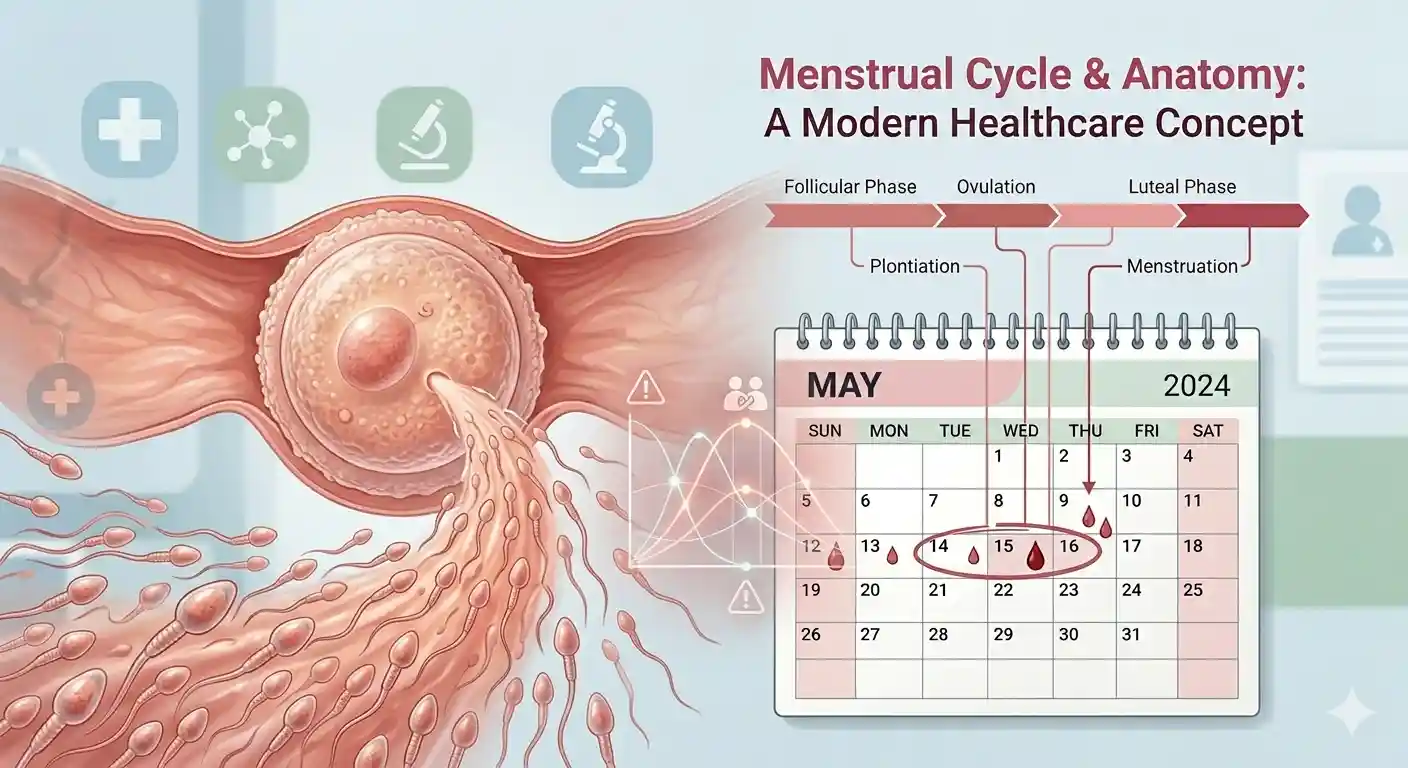
The menstrual cycle consists of four main phases:
- Menstrual Phase – The period itself, usually lasting 3–7 days.
- Follicular Phase – The body prepares an egg for ovulation.
- Ovulation Phase – The ovary releases an egg.
- Luteal Phase – The body prepares for possible pregnancy.
Understanding these phases helps you interpret the results provided by a period calculator.
How a Free Period Calculator Works
At first glance, a period calculator may seem like magic. You enter a few numbers and instantly get predictions about your cycle. But behind the scenes, the process is actually based on simple mathematical and biological principles.
Most calculators follow a basic formula. They analyze the start date of your last period, your average cycle length, and sometimes the duration of your bleeding. Using this information, the system estimates when the next cycle will begin and identifies key events like ovulation and fertile days.
Key Data Needed for Calculation
To generate predictions, most tools require three inputs:
- First day of your last period
- Average menstrual cycle length
- Average period duration
These three pieces of information allow the calculator to create a personalized menstrual calendar.
Algorithm Behind Period Prediction
The algorithm assumes that cycles follow a repeating pattern. For example, if your cycle length is 28 days and your last period started on March 1, the next predicted period would be around March 29.
Ovulation is typically estimated around 14 days before the next period, which helps determine the fertile window. While these predictions are estimates rather than guarantees, they are often surprisingly accurate for people with regular cycles.
Step-by-Step Guide to Use a Free Period Calculator
Using a period calculator is extremely simple. Most tools require only a few seconds to generate results.
Step 1: Enter Your Last Period Date
The first input you need is the first day of your last menstrual period (LMP). This is the day bleeding began, not the day it ended. It serves as the starting point for all future calculations.
Step 2: Add Cycle Length
Next, enter your average cycle length. If you are unsure, you can calculate it by counting the number of days between the start of two consecutive periods.
Step 3: Enter Period Duration
Most calculators also ask for the average number of days your period lasts, usually between 3 and 8 days. This helps the tool show which days you are likely to experience menstrual bleeding.
Step 4: Click Calculate and Read Results
Once you press the calculate button, the tool instantly generates predictions including:
- Next period date
- Ovulation day
- Fertile window
- PMS phase
Some advanced tools even display a monthly calendar showing predicted cycles for the next 12 months.
Features of Modern Period Calculators in 2026
Period calculators have evolved significantly in recent years. What started as a simple date predictor has now become a complete reproductive health assistant.
Ovulation and Fertility Prediction
One of the most useful features is fertility tracking. By estimating ovulation and fertile days, these calculators help users understand when pregnancy is most likely to occur.
The fertile window typically includes five days before ovulation and one day after, making it roughly a week-long period of increased fertility.
Cycle Tracking and Health Insights
Many modern calculators allow users to track additional information such as:
- Mood changes
- PMS symptoms
- Flow intensity
- Energy levels
Over time, these logs help identify patterns and provide valuable health insights.
Benefits of Using a Free Period Calculator
Using a period calculator offers several advantages beyond simple predictions. It empowers individuals with knowledge about their bodies and helps them make better health decisions.
Pregnancy Planning
For couples trying to conceive, knowing the fertile window can significantly improve timing. By identifying ovulation days, users can plan intercourse during the most fertile period.
Period Preparation and Health Tracking
A predicted period date helps users prepare for upcoming cycles. Whether it’s carrying menstrual products, planning travel, or scheduling events, knowing when your period might arrive can reduce stress and inconvenience.
Tracking cycles also helps detect irregularities. Sudden changes in cycle length or period duration may signal hormonal imbalances or health issues that require medical attention.
Accuracy of Online Period Calculators
The accuracy of a period calculator largely depends on how regular your menstrual cycles are. For people with consistent cycles, predictions can often be accurate within 1–2 days.
However, several factors can affect cycle regularity, including stress, illness, weight changes, travel, and hormonal conditions like PCOS. Because of these variables, calculators should be considered helpful guides rather than medical tools.
Healthcare experts recommend tracking cycles for three to six months to improve prediction accuracy.
Best Tips to Get Accurate Results
If you want the most reliable predictions from your period calculator, consistency is key. The more data you provide, the better the algorithm can learn your cycle pattern.
Here are some useful tips:
- Track your period for several months.
- Record symptoms and mood changes.
- Update the calculator whenever your cycle changes.
Over time, these habits help create a detailed menstrual history that improves prediction accuracy.
Who Should Use a Period Calculator
A period calculator can be helpful for a wide range of people. Teenagers who are just starting their menstrual cycles often use these tools to understand their bodies better. Adults with regular cycles use them to plan daily life more effectively.
People trying to conceive or avoid pregnancy may also benefit from fertility predictions provided by these tools. Even healthcare professionals sometimes encourage patients to track cycles using digital tools before consultations.
Essentially, anyone who menstruates can gain valuable insights from a period calculator.
Common Mistakes When Using Period Calculators
Although these tools are easy to use, some mistakes can reduce their accuracy.
One common error is entering the wrong start date for the last period. Another mistake is guessing cycle length instead of calculating it based on real data. Irregular cycles can also make predictions less reliable.
Users sometimes forget that these calculators are estimates rather than medical devices. They should not be used as the sole method of contraception.
Privacy and Safety When Using Period Trackers
With the rise of digital health tools, privacy concerns have become more important than ever. Many modern period calculators address this issue by allowing users to track cycles without creating an account.
Some tools also store data locally on your device rather than uploading it to external servers. Choosing reputable platforms with clear privacy policies is always recommended.
Being mindful of privacy ensures that users can enjoy the benefits of digital health tools without worrying about data misuse.
Future of Period Tracking Tools
The future of period tracking looks incredibly promising. Advances in artificial intelligence and wearable technology are transforming how menstrual health is monitored.
Future calculators may integrate with smartwatches, hormonal sensors, and health apps to provide even more accurate predictions. Personalized insights based on lifestyle, stress levels, and health data could make cycle tracking far more precise than it is today.
These innovations will help people understand their bodies better and take a more proactive approach to reproductive health.
Conclusion
A free period calculator is one of the simplest yet most powerful tools for understanding menstrual health. By entering just a few details—your last period date, cycle length, and period duration—you can instantly predict your next period, ovulation day, and fertile window.
In 2026, these tools have become widely accessible and increasingly sophisticated. They help individuals prepare for upcoming cycles, track reproductive health patterns, and plan pregnancy more effectively. While they are not medical devices, they provide valuable insights that can improve overall health awareness.
Regular tracking is the key to getting accurate results. The more consistently you record your cycle, the better the predictions become. With just a few minutes of effort each month, a free period calculator can become an essential companion for managing menstrual health.
FAQs
1. Are free period calculators accurate?
Yes, they can be quite accurate for people with regular cycles. Most predictions are within 1–2 days of the actual period date.
2. Can a period calculator predict ovulation?
Yes. Many calculators estimate ovulation based on cycle length, usually around 14 days before the next period.
3. Is it safe to use online period calculators?
Most reputable tools are safe to use, especially those that do not require personal accounts or store sensitive data.
4. Can a period calculator help with pregnancy planning?
Yes. By identifying fertile days and ovulation periods, these tools help couples time intercourse for better chances of conception.
5. What should I do if my cycle is irregular?
If your cycles vary significantly each month, the calculator may be less accurate. Tracking your cycle for several months or consulting a healthcare provider can help identify underlying causes.