 thebravewritingcompany@gmail.com
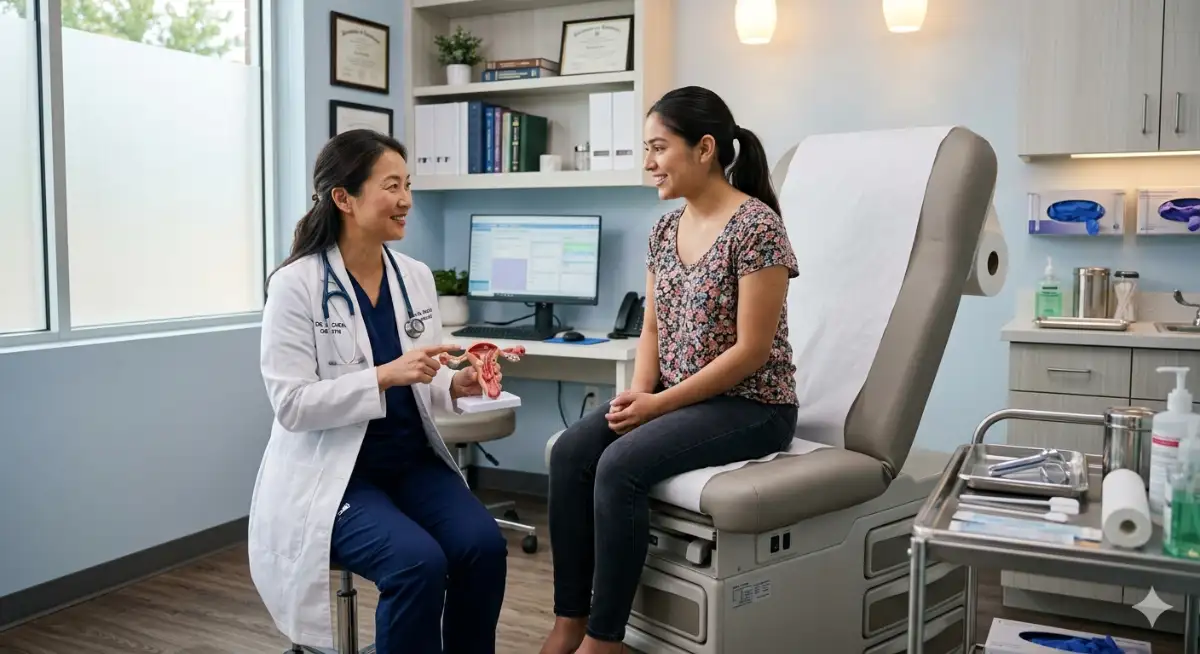
Yes, you can technically get a Pap smear while on your period, but it is not recommended in most cases. Menstrual blood can interfere with the test sample, making it more difficult for laboratories to properly evaluate cervical cells.
Key Medical Insight
- Light spotting: Often acceptable for testing
- Moderate to heavy flow: Typically discouraged
Blood and tissue shed during menstruation can obscure abnormal cells, leading to:
- Inconclusive results
- False negatives
- Need for repeat testing
Why Menstrual Blood Affects Pap Smear Accuracy
The Pap smear relies on collecting a clean sample of epithelial cells from the cervix. When menstrual blood is present, it introduces several complications:
1. Cellular Obstruction
Blood can cover or dilute cervical cells, making abnormalities harder to detect under microscopic examination.
2. Sample Contamination
Menstrual debris, including endometrial tissue, can mix with cervical cells, reducing diagnostic clarity.
3. Laboratory Limitations
Even with advanced 2026 liquid-based cytology methods, excessive blood can still:
- Reduce sample quality
- Trigger “unsatisfactory sample” reports
Best Time to Schedule a Pap Smear in 2026
To ensure optimal results, we recommend scheduling your Pap smear during a specific window in your cycle.
Ideal Timing
- 10 to 20 days after the first day of your last period
This timeframe offers:
- Minimal cervical inflammation
- Clear cell visibility
- Higher diagnostic accuracy
Avoid Testing During
- Heavy menstrual flow
- First 1–3 days of menstruation
- Active vaginal infections
What Happens If You Already Have an Appointment During Your Period?
If your appointment coincides with your menstrual cycle, the next steps depend on flow intensity:
When to Keep Your Appointment
- If you have very light spotting
- If the test is urgent or overdue
- If advised by your healthcare provider
When to Reschedule
- If experiencing heavy bleeding
- If you want the most accurate results possible
Rescheduling ensures:
- Clearer samples
- Reduced need for repeat testing
- Better overall patient experience
Advancements in Pap Smear Technology in 2026
Modern screening methods have significantly improved tolerance for minor contamination. However, menstrual interference remains a limitation.
Liquid-Based Cytology (LBC)
- Filters out some blood and mucus
- Improves sample preservation
- Still affected by heavy bleeding
HPV Co-Testing
Many providers now combine Pap smear with HPV (Human Papillomavirus) testing. While HPV testing is less affected by blood, it still benefits from optimal timing.
AI-Assisted Diagnostics
Emerging tools in 2026 use artificial intelligence to detect abnormalities with greater precision, yet they still depend on high-quality samples.
Preparing for a Pap Smear: Essential Guidelines
To maximize the accuracy of your test, we recommend the following preparation steps:
48 Hours Before the Test
Avoid:
- Sexual intercourse
- Douching
- Vaginal creams or medications
- Tampon use
These factors can alter cervical cells and interfere with results.
On the Day of the Test
- Wear comfortable clothing
- Relax your pelvic muscles
- Inform your provider about your cycle status
Does a Pap Smear Hurt During Your Period?
Pain levels vary, but undergoing a Pap smear during menstruation may increase discomfort due to:
- Heightened cervical sensitivity
- Uterine contractions
- Emotional discomfort
For a smoother experience, scheduling outside your period is ideal.
Special Cases: When Testing During Your Period Is Necessary
Certain medical situations require immediate screening regardless of menstrual timing:
1. Abnormal Symptoms
- Unusual bleeding
- Pelvic pain
- Suspicious discharge
2. High-Risk Patients
- History of cervical abnormalities
- Previous abnormal Pap results
- Compromised immune system
3. Missed Screenings
If significantly overdue, delaying further may pose greater risk than testing during menstruation.
Common Myths About Pap Smears and Periods
Myth 1: You Cannot Get a Pap Smear on Your Period
Fact: It is possible, but not ideal.
Myth 2: Results Will Always Be Wrong
Fact: Only heavy bleeding significantly affects accuracy.
Myth 3: You Must Cancel Automatically
Fact: Decision depends on flow and urgency.
How Often Should You Get a Pap Smear in 2026?
Screening frequency depends on age and health history:
General Guidelines
- Ages 21–29: Every 3 years
- Ages 30–65: Every 3–5 years (with HPV testing)
- Over 65: Based on medical history
Regular screening remains the most effective way to prevent cervical cancer progression.
Signs You Should Not Delay Your Pap Smear
Regardless of your menstrual cycle, do not postpone if you experience:
- Postcoital bleeding
- Persistent pelvic pain
- Unusual vaginal discharge
- Irregular cycles
These symptoms may indicate underlying conditions that require immediate evaluation.
Expert Recommendations for 2026
We emphasize a proactive and informed approach:
- Schedule smartly around your cycle
- Communicate openly with your healthcare provider
- Prioritize consistency over perfect timing
The goal is not perfection, but early detection and prevention.
Final Verdict: Should You Get a Pap Smear on Your Period?
While it is medically possible to undergo a Pap smear during menstruation, we strongly recommend avoiding it during moderate to heavy flow. For the most accurate, reliable, and stress-free results, scheduling your test between periods remains the best practice in 2026.
Delaying slightly for optimal timing can prevent the need for repeat testing and ensure that results are clear, actionable, and dependable.