 thebravewritingcompany@gmail.com
What Is a Period Calculator Between Two Dates?
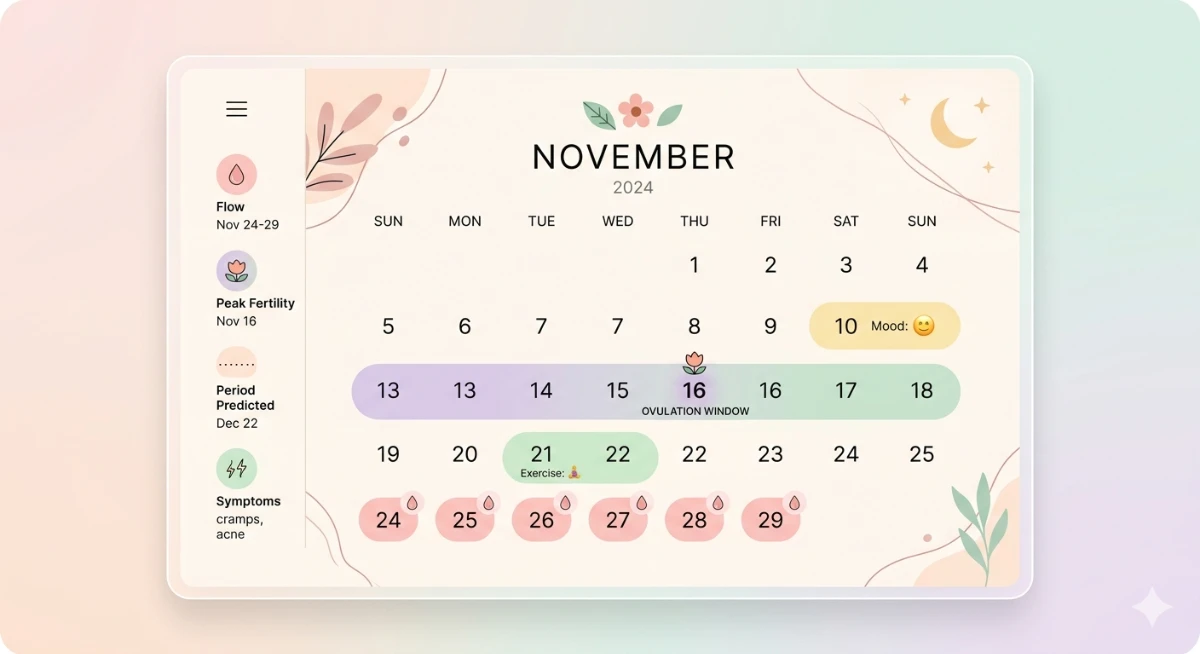
A period calculator between two dates is a powerful tool designed to help women track menstrual cycles, predict upcoming periods, and understand fertility windows with precision. By entering two key dates—typically the start date of your last period and either the current date or another reference point—we can calculate cycle length, ovulation timing, and expected future periods.
This method is especially useful for individuals with irregular cycles, as it provides a clearer picture of patterns over time. Unlike basic calculators, this approach offers data-backed insights that help improve reproductive awareness.
How to Calculate Period Between Two Dates
To accurately calculate your menstrual cycle between two dates, we follow a structured process:
Step 1: Identify Your Last Period Start Date
This is the first day you noticed menstrual bleeding.
Step 2: Choose the Second Date
This can be:
- Today’s date
- The start of your next period
- Any date you want to analyze
Step 3: Calculate the Difference
Subtract the first date from the second date to determine the cycle length in days.
Step 4: Analyze Your Cycle
- 21–35 days → Considered a normal cycle
- Below 21 days → Short cycle
- Above 35 days → Long or irregular cycle
Why Use a Period Calculator Between Dates?
Using a period calculator between two dates provides multiple advantages:
1. Precise Cycle Tracking
We gain accurate insights into cycle consistency, helping identify patterns or irregularities.
2. Ovulation Prediction
Ovulation typically occurs 14 days before the next period, making it easier to estimate fertile days.
3. Fertility Awareness
Ideal for those trying to:
- Conceive naturally
- Avoid pregnancy without hormonal methods
4. Health Monitoring
Irregular cycles may indicate:
- Hormonal imbalance
- Stress or lifestyle changes
- Underlying health conditions
Tracking cycles between dates helps detect these early.
Understanding Cycle Length Variations
Not all menstrual cycles are the same. Using two dates allows us to analyze variations:
Short Cycles (Less than 21 Days)
- Frequent periods
- Possible hormonal imbalance
- May affect fertility timing
Normal Cycles (21–35 Days)
- Consistent ovulation
- Predictable periods
- Balanced hormonal function
Long Cycles (More than 35 Days)
- Delayed ovulation
- Irregular periods
- Common in conditions like PCOS
How to Predict Your Next Period
Once we calculate your cycle length between two dates, predicting your next period becomes simple:
Formula:
Next Period Date = Last Period Start Date + Average Cycle Length
Example:
- Last period: March 1
- Cycle length: 28 days
- Next period: March 29
Tracking multiple cycles improves accuracy significantly.
Ovulation and Fertile Window Calculation
Using your cycle data, we estimate:
- Ovulation Day = Cycle Length – 14
- Fertile Window = 5 days before ovulation + ovulation day
Example:
- Cycle length: 30 days
- Ovulation: Day 16
- Fertile window: Days 11–16
This is crucial for both family planning and reproductive health awareness.
Best Practices for Accurate Period Tracking
To maximize accuracy when using a period calculator between two dates, follow these guidelines:
Track Consistently
Record each period start date without missing entries.
Use Multiple Cycles
Analyze at least 3–6 months of data for reliable predictions.
Note Symptoms
Include:
- Cramps
- Mood changes
- Flow intensity
This enhances understanding of your cycle.
Avoid Guesswork
Always use actual dates rather than estimates.
Common Mistakes to Avoid
Many users reduce accuracy due to simple errors:
- Using incorrect start dates
- Ignoring irregular cycles
- Not updating data regularly
- Assuming all cycles are 28 days
Avoiding these ensures more reliable and actionable results.
Who Should Use This Calculator?
A period calculator between two dates is ideal for:
- Women with irregular periods
- Those trying to conceive naturally
- Individuals monitoring hormonal health
- Anyone wanting better cycle awareness
It is also beneficial for teenagers learning about menstrual health and adults tracking long-term patterns.
Advanced Insights from Date-Based Tracking
When we analyze periods between two dates over time, we can uncover deeper insights:
Cycle Trends
Identify whether cycles are:
- Getting shorter
- Becoming longer
- Remaining stable
Ovulation Consistency
Determine if ovulation occurs regularly or varies each month.
Health Indicators
Irregular patterns may signal:
- Stress
- Nutritional deficiencies
- Hormonal disorders
Digital Tools vs Manual Calculation
While manual calculations are effective, digital tools offer added convenience:
Manual Method
- Simple and accessible
- No technology required
- Good for basic tracking
Online Calculators
- Instant results
- Automatic predictions
- Visual cycle charts
Combining both methods ensures maximum accuracy and convenience.
FAQs About Period Calculator Between Two Dates
Can I use this method with irregular cycles?
Yes, but track multiple cycles to identify patterns.
How many cycles should I track?
At least 3–6 cycles for reliable results.
Is ovulation always 14 days before the period?
Typically yes, but it may vary slightly depending on individual cycles.
Can this method help with pregnancy planning?
Yes, it helps identify fertile days and ovulation timing.
Final Thoughts: Master Your Cycle with Precision
A period calculator between two dates is more than just a tracking tool—it is a comprehensive system for understanding your body, predicting cycles, and improving reproductive health awareness. By consistently recording dates and analyzing patterns, we unlock accurate insights that empower smarter decisions.
Whether the goal is fertility planning, cycle regulation, or health monitoring, this method delivers clarity, control, and confidence in every phase of the menstrual cycle.