 thebravewritingcompany@gmail.com
Understanding Irregular Periods and Why Tracking Matters
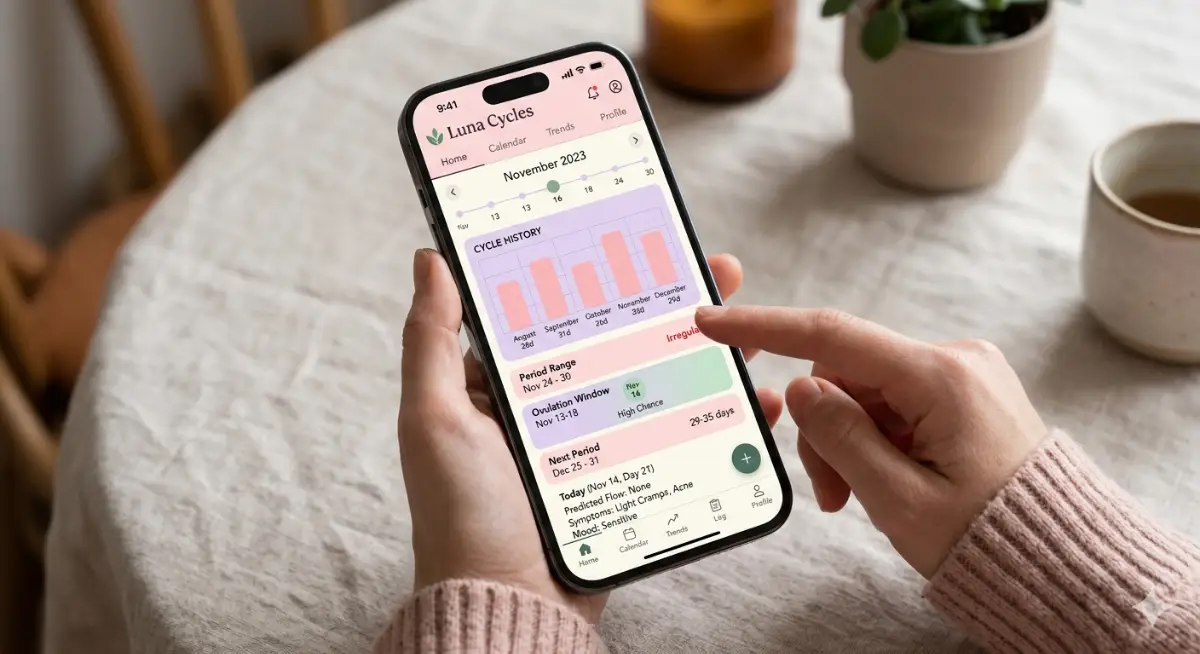
Irregular menstrual cycles can make it challenging to predict ovulation, plan pregnancies, or simply stay informed about reproductive health. When cycles vary in length, skip months, or fluctuate unpredictably, traditional tracking methods often fail. This is where a period calculator for irregular periods becomes essential.
We rely on advanced tracking methods that adapt to fluctuations rather than assuming a fixed cycle. By understanding patterns over time, even irregular cycles can be interpreted with impressive accuracy. This empowers individuals to take control of their health, anticipate upcoming periods, and monitor potential concerns.
What Is a Period Calculator for Irregular Cycles?
A period calculator for irregular periods is a digital tool designed to estimate upcoming menstrual cycles based on variable cycle lengths. Unlike standard calculators that assume a consistent 28-day cycle, this tool uses multiple past entries to detect patterns.
Instead of relying on a single cycle length, we analyze:
- Cycle history over several months
- Variations in period duration
- Gaps between cycles
- Ovulation indicators (if available)
This adaptive approach ensures more reliable predictions, even when cycles are unpredictable.
How the Calculator Works for Irregular Periods
To generate accurate predictions, the calculator processes historical data and identifies recurring trends. We recommend entering at least 3–6 months of data for better results.
Step-by-Step Functionality
- Input previous period start dates
- Record cycle lengths (even if inconsistent)
- Log symptoms or ovulation signs (optional)
- Analyze averages and deviations
- Generate predicted date ranges instead of exact dates
Unlike fixed calculators, this method produces a prediction window, which is far more realistic for irregular cycles.
Key Features of an Effective Irregular Period Calculator
A high-performing period calculator for irregular cycles includes several advanced features:
1. Dynamic Cycle Analysis
We continuously update predictions based on new data entries, improving accuracy over time.
2. Prediction Range Instead of Fixed Dates
Irregular cycles require flexibility. Instead of one date, we provide a range of possible start dates.
3. Ovulation Estimation
Even with irregular periods, ovulation can be estimated using trend analysis and symptom tracking.
4. Fertility Window Detection
We calculate a probable fertility window, useful for both conception and prevention planning.
5. Health Insights
Patterns such as missed cycles or unusual delays are highlighted, helping identify potential concerns early.
Benefits of Using a Period Calculator for Irregular Periods
Accurate Cycle Awareness
We eliminate guesswork by providing realistic predictions based on your actual cycle behavior.
Better Pregnancy Planning
Understanding ovulation timing increases the chances of successful conception or effective contraception.
Improved Health Monitoring
Irregular cycles may indicate hormonal imbalances or underlying conditions. Tracking helps detect abnormalities sooner.
Stress Reduction
Uncertainty around periods can be stressful. A reliable calculator brings clarity and confidence.
How to Use a Period Calculator Effectively
To get the best results, consistency in data entry is critical.
Best Practices
- Log every period start date immediately
- Track cycle length variations honestly
- Include symptoms like cramps, spotting, or discharge
- Avoid skipping entries, even for missed cycles
- Update regularly for improved accuracy
The more data we collect, the smarter and more precise the predictions become.
Common Causes of Irregular Periods
Understanding why cycles are irregular enhances the usefulness of tracking tools. Some common causes include:
- Hormonal imbalances
- Stress and lifestyle changes
- Polycystic Ovary Syndrome (PCOS)
- Thyroid disorders
- Weight fluctuations
- Excessive exercise
- Birth control changes
A period calculator for irregular periods helps identify patterns linked to these factors, making it easier to address them.
Difference Between Regular and Irregular Period Calculators
| Feature | Regular Calculator | Irregular Calculator |
|---|---|---|
| Cycle Assumption | Fixed (e.g., 28 days) | Variable |
| Prediction Type | Exact date | Date range |
| Data Requirement | Minimal | Historical data |
| Accuracy | High for regular cycles | High for irregular cycles |
| Adaptability | Low | High |
We strongly recommend using an irregular calculator if cycle lengths vary by more than 5–7 days.
Ovulation Prediction for Irregular Cycles
Ovulation tracking becomes more complex with irregular periods, but not impossible.
We estimate ovulation by:
- Identifying shortest and longest cycles
- Calculating midpoints within ranges
- Incorporating symptoms like basal body temperature and cervical mucus
This method provides a probable ovulation window, rather than a fixed day, ensuring more realistic expectations.
Fertility Planning with Irregular Periods
For those trying to conceive, timing is everything. A period calculator for irregular periods helps by:
- Predicting fertile windows
- Identifying ovulation patterns
- Highlighting peak conception days
For those avoiding pregnancy, it provides guidance on high-risk days, enabling better decision-making.
Signs Your Period Tracker Is Working Correctly
You will notice improved accuracy when:
- Predictions align closely with actual periods
- Cycle patterns become more defined over time
- Ovulation estimates feel consistent with physical symptoms
- Alerts for delays or irregularities become meaningful
Consistency in logging ensures continuous improvement.
When to Seek Medical Advice
While a calculator is highly useful, certain patterns require professional evaluation:
- Missing periods for 3+ months
- Extremely heavy or painful cycles
- Cycles shorter than 21 days or longer than 45 days regularly
- Sudden drastic changes in cycle behavior
Tracking data from your calculator can provide valuable insights during consultations.
Tips to Regulate Irregular Periods Naturally
While tracking is essential, lifestyle improvements can help stabilize cycles:
- Maintain a balanced diet
- Manage stress effectively
- Exercise moderately
- Get adequate sleep
- Avoid extreme weight changes
Combining these habits with a period calculator for irregular periods creates a powerful approach to cycle management.
Why Our Period Calculator Stands Out
We design our calculator to go beyond basic tracking. Our approach includes:
- Advanced pattern recognition
- Adaptive learning algorithms
- User-friendly interface
- Accurate prediction ranges
- Comprehensive health insights
This ensures maximum reliability, even for highly irregular cycles.
Final Thoughts on Tracking Irregular Periods
A period calculator for irregular periods is not just a convenience—it is a powerful health tool. By embracing data-driven tracking, we transform unpredictability into actionable insights. Whether the goal is cycle awareness, fertility planning, or health monitoring, accurate tracking provides clarity and control.
Consistency, patience, and accurate data entry are the keys to success. Over time, even the most irregular cycles reveal patterns that can be understood and managed effectively.