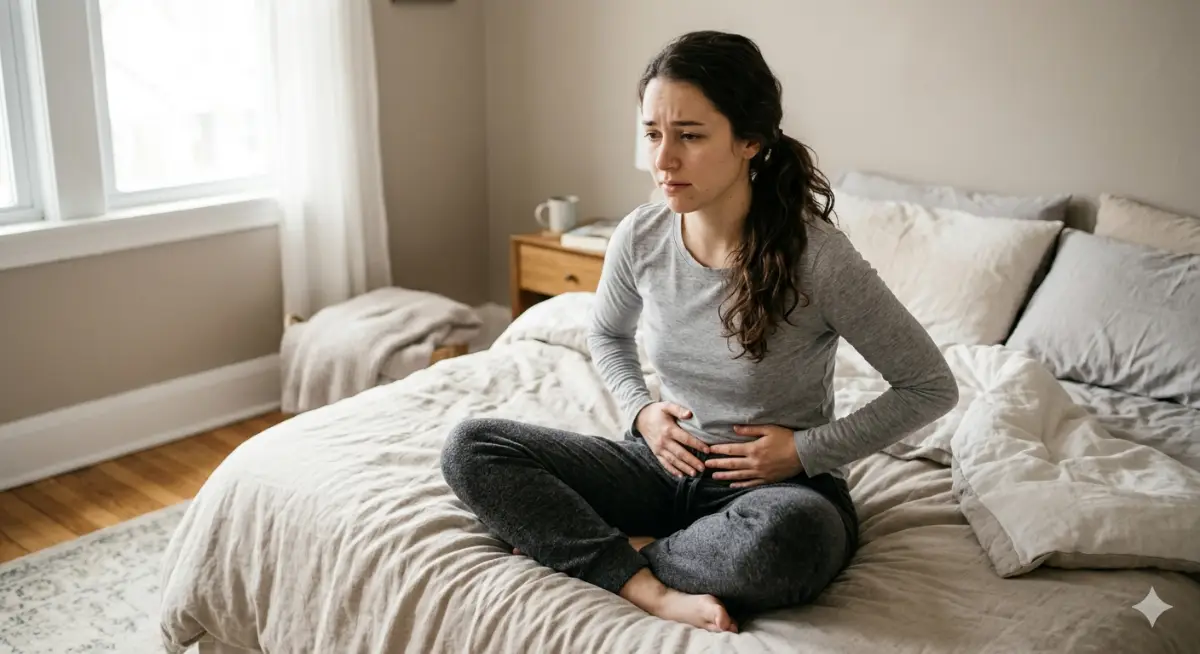
Understanding Why Cramps Occur Without Menstruation
We often associate cramps with the menstrual cycle, but many individuals experience abdominal or pelvic pain even when they are not on their period. These cramps can range from mild discomfort to intense pain, often causing confusion and concern. Understanding the underlying causes is essential for identifying the right solution and maintaining reproductive and overall health.
Cramps without a period can originate from hormonal fluctuations, digestive issues, reproductive conditions, or even stress-related factors. In this comprehensive guide, we explore every possible cause in detail to help you understand what your body may be signaling.
Ovulation Pain (Mittelschmerz)
One of the most common causes of cramps outside of menstruation is ovulation pain, also known as mittelschmerz.
During ovulation, the ovary releases an egg, which can cause sharp or dull pain on one side of the lower abdomen. This typically occurs around the middle of the menstrual cycle.
Key Symptoms:
- One-sided lower abdominal pain
- Mild cramping lasting a few hours to 1–2 days
- Slight spotting in some cases
Ovulation pain is usually harmless but can feel very similar to period cramps.
Hormonal Imbalance and Fluctuations
Hormones play a crucial role in regulating the menstrual cycle. When there is an imbalance in estrogen and progesterone levels, it can lead to cramping even without bleeding.
Common Triggers:
- Stress and lifestyle changes
- Thyroid disorders
- Polycystic Ovary Syndrome (PCOS)
- Sudden weight gain or loss
Hormonal imbalance can also cause irregular cycles, mood swings, and bloating, along with cramps.
Early Pregnancy and Implantation Cramping
Cramps without a period can sometimes be an early sign of pregnancy. Implantation occurs when a fertilized egg attaches to the uterine lining, causing mild cramping.
Associated Signs:
- Light spotting (implantation bleeding)
- Breast tenderness
- Fatigue
- Nausea
These cramps are generally mild and short-lived but can easily be mistaken for premenstrual pain.
Digestive Issues and Gastrointestinal Causes
Not all cramps originate from the reproductive system. The digestive system can also cause abdominal pain that mimics menstrual cramps.
Common Digestive Causes:
- Irritable Bowel Syndrome (IBS)
- Gas and bloating
- Constipation
- Food intolerances
Digestive cramps are often accompanied by changes in bowel movements, abdominal swelling, and discomfort after eating.
Urinary Tract Infections (UTIs)
A urinary tract infection can cause lower abdominal discomfort that feels similar to period cramps.
Symptoms Include:
- Burning sensation while urinating
- Frequent urge to urinate
- Cloudy or strong-smelling urine
- Pelvic pressure
If left untreated, UTIs can worsen and lead to more serious kidney infections.
Endometriosis: A Leading Cause of Chronic Cramps
Endometriosis is a condition where tissue similar to the uterine lining grows outside the uterus. This can cause severe cramping even when you are not menstruating.
Symptoms:
- Intense pelvic pain
- Pain during intercourse
- Heavy or irregular periods
- Infertility issues
Endometriosis-related cramps can occur at any time during the cycle and are often more severe than typical menstrual cramps.
Ovarian Cysts and Pelvic Pain
Ovarian cysts are fluid-filled sacs that develop on the ovaries. While many cysts are harmless, some can cause significant cramping and discomfort.
Warning Signs:
- Sudden sharp pain on one side
- Bloating or fullness
- Pain during movement or exercise
In rare cases, a cyst can rupture, leading to intense pain that requires immediate medical attention.
Pelvic Inflammatory Disease (PID)
Pelvic Inflammatory Disease is a serious infection of the reproductive organs that can cause persistent cramps without a period.
Symptoms:
- Lower abdominal pain
- Fever
- Unusual vaginal discharge
- Pain during intercourse
PID requires prompt medical treatment to prevent complications such as infertility.
Stress and Muscle Tension
Chronic stress can manifest physically, including abdominal cramps and muscle tightness. When the body is under stress, it releases hormones that can cause muscle contractions and digestive disturbances.
Effects of Stress:
- Tight abdominal muscles
- Increased sensitivity to pain
- Digestive irregularities
Stress-related cramps are often overlooked but can be a major contributing factor.
Fibroids and Uterine Growths
Uterine fibroids are non-cancerous growths that can cause cramping, pressure, and discomfort even outside menstruation.
Common Symptoms:
- Pelvic pressure
- Frequent urination
- Lower back pain
- Heavy or prolonged periods
Fibroids vary in size and can significantly impact daily comfort.
Ectopic Pregnancy: A Medical Emergency
An ectopic pregnancy occurs when a fertilized egg implants outside the uterus, often in the fallopian tube. This condition can cause severe cramping without a normal period.
Critical Symptoms:
- Sharp abdominal pain
- Vaginal bleeding
- Shoulder pain
- Dizziness or fainting
Immediate medical care is essential in such cases.
Lifestyle Factors That Trigger Cramps
Several everyday habits can contribute to cramps without menstruation.
Contributing Factors:
- Poor diet and dehydration
- Lack of physical activity
- Excess caffeine intake
- Sleep deprivation
Maintaining a balanced lifestyle can significantly reduce unexplained cramping.
When to Be Concerned About Cramps Without a Period
While occasional cramps are normal, certain symptoms indicate the need for medical evaluation.
Seek Medical Attention If You Experience:
- Severe or persistent pain
- Fever or chills
- Unexplained weight loss
- Heavy or unusual bleeding
- Pain that interferes with daily life
Early diagnosis ensures effective treatment and prevents complications.
Effective Ways to Relieve Cramps Naturally
Managing cramps without medication is possible with simple lifestyle adjustments.
Natural Remedies:
- Heat therapy (heating pads or warm baths)
- Gentle exercise and stretching
- Staying hydrated
- Herbal teas like ginger or chamomile
- Stress management techniques such as yoga and meditation
These methods can provide relief and improve overall well-being.
Conclusion: Listen to Your Body’s Signals
Cramps without a period are not uncommon and can result from a wide range of causes, from harmless ovulation pain to serious medical conditions. Paying attention to accompanying symptoms and patterns is key to identifying the root cause.
We must approach these signals with awareness and take timely action when necessary. Whether it’s a minor issue or something that requires medical attention, understanding your body empowers you to make informed health decisions and maintain long-term wellness.