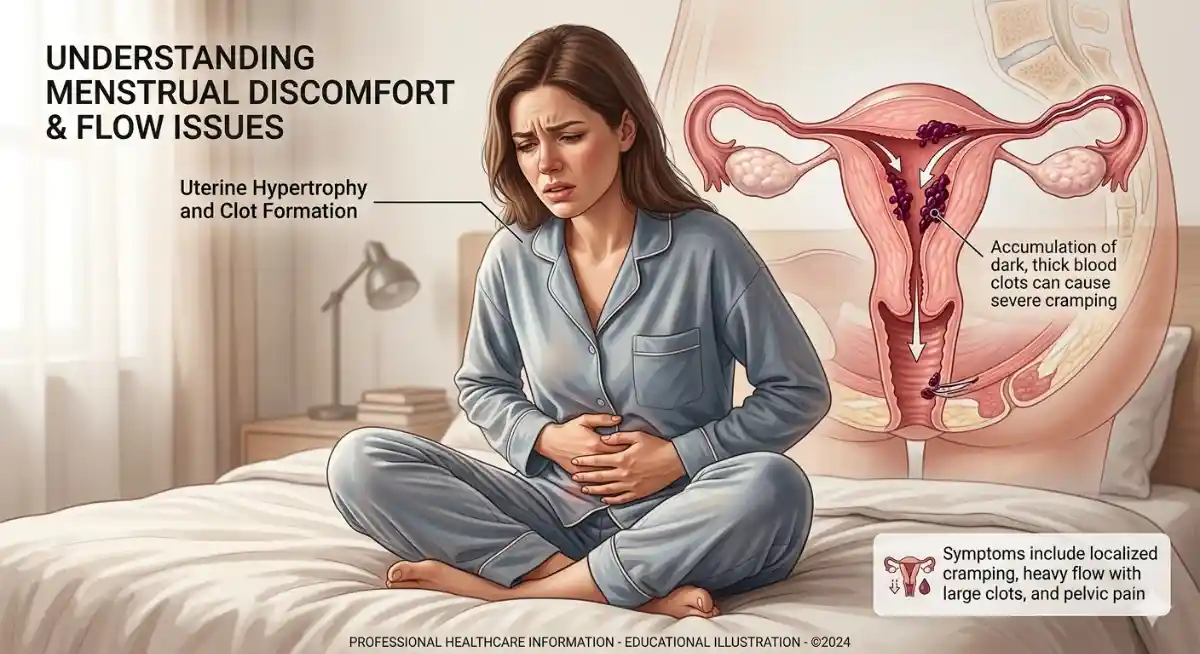
What Is Blood Stagnation in Period Health?
Understanding Blood Flow in Women’s Cycles
Let’s talk about something most women experience but rarely question deeply—how menstrual blood should actually behave. In a healthy cycle, your period flows smoothly, with a bright red color and minimal discomfort. But when things slow down or become irregular, that’s where the concept of blood stagnation comes into play. In traditional Chinese medicine (TCM), this condition refers to impaired or blocked blood flow, especially in the reproductive system.
Think of your body like a river. When water flows freely, everything thrives. But if debris blocks the flow, the water becomes dark, sluggish, and problematic. The same analogy applies to your menstrual cycle. When blood doesn’t circulate properly, it can lead to pain, clots, and irregular cycles.
What’s interesting is that this isn’t just an ancient idea—it aligns with modern observations too. Conditions like poor circulation, inflammation, or hormonal imbalance can create similar symptoms. That’s why many experts now view menstrual health as a reflection of overall well-being.
How Blood Stagnation Develops Over Time
Blood stagnation doesn’t appear overnight. It usually begins with something called Qi stagnation—basically, a disruption in your body’s energy flow. Over time, this energy blockage slows blood movement, leading to deeper issues.
Stress is a major trigger here. Emotional tension, overwork, and even suppressed feelings can gradually disrupt your body’s natural rhythm. Add in factors like poor diet, lack of exercise, or exposure to cold environments, and you’ve got the perfect storm for stagnation.
The scary part? Many women live with these symptoms for years, assuming it’s normal. But your period is like a monthly health report—it tells you exactly what’s happening inside your body.
Why Blood Stagnation Is Often Ignored
Normalizing Pain Culture
Let’s be honest—how many times have you heard, “Period pain is normal”? This belief has been passed down for generations, making women ignore serious warning signs. While mild discomfort is common, intense or stabbing pain is not normal.
In fact, TCM strongly emphasizes that pain equals blockage. If your body is hurting, it’s trying to tell you something is not flowing properly.
Unfortunately, many women rely on painkillers without addressing the root cause. This temporary relief masks the problem instead of solving it.
Misinterpreting Symptoms as “Just PMS”
Another big reason blood stagnation goes unnoticed is that its symptoms overlap with PMS. Mood swings, bloating, fatigue—they all seem familiar, right?
But here’s the catch: when these symptoms are intense, persistent, or worsening over time, they may signal something deeper. Ignoring them can lead to long-term health issues.
Top Warning Signs You Should Never Ignore
Dark or Clotted Menstrual Blood
One of the biggest red flags is dark red, purple, or even blackish menstrual blood with clots. This is a classic sign of stagnation.
Clots form when blood sits too long instead of flowing freely. While small clots occasionally aren’t a concern, frequent or large clots should raise attention.
Severe Stabbing Pain During Periods
If your cramps feel sharp, fixed, or stabbing—rather than dull—it’s a strong indicator of blood stagnation. This type of pain often improves after passing clots, which is another key clue.
Irregular or Delayed Cycles
Cycles that are consistently late, unpredictable, or skip months altogether can signal disrupted blood flow. When circulation isn’t smooth, your body struggles to maintain a regular rhythm.
Spotting Between Periods
Unexpected spotting isn’t always harmless. It can indicate that your body is trying to release stagnant blood in small amounts, rather than in a proper cycle.
Pain Relief After Passing Clots
This is a very specific but important sign. If your pain suddenly decreases after passing a clot, it’s a clear indication that blockage was causing the discomfort.
Hidden Symptoms Beyond the Period
Chronic Fatigue and Low Energy
Blood stagnation doesn’t just affect your period—it impacts your entire body. Many women report feeling constantly tired, even after adequate rest.
This happens because proper blood flow is essential for delivering oxygen and nutrients. When circulation slows, your energy levels drop.
Mood Swings and Irritability
Ever feel unusually irritable before your period? That could be more than just hormones. Emotional symptoms like anxiety, frustration, and even mild depression are commonly linked to stagnation patterns.
Root Causes of Blood Stagnation
Stress and Emotional Blockages
Stress is the number one culprit. When emotions are suppressed, they disrupt your body’s natural energy flow, eventually affecting blood circulation.
Poor Diet and Lifestyle
Eating cold, processed, or nutrient-poor foods can weaken your system. Combine that with a sedentary lifestyle, and blood flow slows down significantly.
Postpartum and Surgical Effects
After childbirth or surgery, the body may struggle to restore proper circulation. In fact, blood stagnation is commonly observed in such cases.
Blood Stagnation vs Normal Period
Key Differences Table
| Feature | Healthy Period | Blood Stagnation |
|---|---|---|
| Color | Bright red | Dark red, purple, or blackish |
| Flow | Smooth, consistent | Stop-start, clotted |
| Pain | Mild discomfort | Sharp, stabbing pain |
| Cycle | Regular | Irregular or delayed |
| Clots | Minimal | Frequent and large |
Long-Term Health Risks
Links to Endometriosis and Fibroids
Chronic blood stagnation has been associated with conditions like endometriosis and fibroids, where tissue growth disrupts normal blood flow.
Fertility Concerns
When blood doesn’t circulate properly, the uterus may not receive adequate nourishment. This can affect ovulation and implantation, leading to fertility challenges.
Natural Ways to Improve Blood Flow
Diet Changes
Focus on warm, nourishing foods like soups, ginger tea, and iron-rich vegetables. Avoid excessive cold or processed foods that slow circulation.
Movement and Exercise
Regular movement is key. Even simple activities like walking or yoga can significantly improve blood flow.
Heat Therapy
Applying heat to the lower abdomen helps relax muscles and encourage circulation. Think of it as “melting” the blockage.
When to See a Doctor
If your symptoms are severe, persistent, or worsening, it’s time to consult a healthcare professional. Especially watch out for:
- Extremely heavy bleeding
- Severe pain disrupting daily life
- Long-term irregular cycles
Conclusion
Your period is not just a monthly inconvenience—it’s a powerful indicator of your overall health. Blood stagnation is often overlooked because its symptoms are normalized or misunderstood. But once you start paying attention, the signs become clear.
Listening to your body is the first step toward healing. Whether it’s dark clots, sharp pain, or irregular cycles, these are not things to ignore. The sooner you address them, the better your long-term health will be.
FAQs
1. Is blood clotting during periods normal?
Small clots can be normal, but frequent or large clots may indicate blood stagnation.
2. Can stress really affect menstrual blood flow?
Yes, stress can disrupt energy flow, leading to poor circulation and irregular periods.
3. How do I know if my period pain is abnormal?
If the pain is sharp, severe, or interferes with daily life, it’s not normal.
4. Can blood stagnation affect fertility?
Yes, it can impact ovulation and uterine health, making conception more difficult.
5. What’s the fastest way to improve blood circulation during periods?
Heat therapy, gentle exercise, and warm foods can help improve circulation quickly.