 thebravewritingcompany@gmail.com
Shocking truth revealed: pregnancy during menstruation is rare but possible, and timing plays a crucial role always.
A widespread myth suggests that having sex during your period is completely safe from pregnancy—but science tells a more complex story. While the chances are lower, pregnancy during menstruation is not impossible, and understanding how it happens can help avoid unexpected surprises.
Understanding the Menstrual Cycle and Fertility
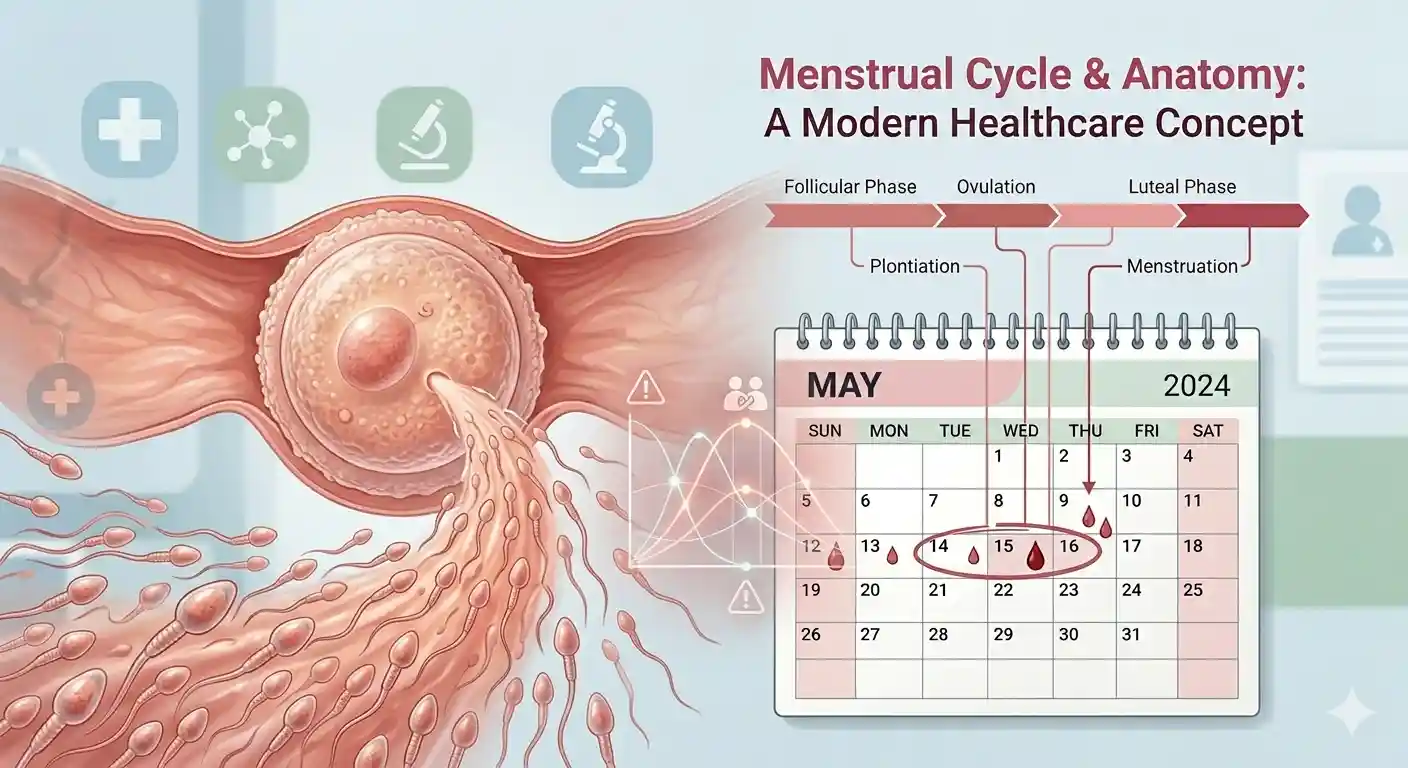
The menstrual cycle typically lasts around 28 days, although it can vary from person to person. Ovulation—the release of an egg—usually occurs around the middle of the cycle. This is considered the most fertile window.
However, sperm can survive inside the female body for up to 5 days, which means timing becomes crucial. If a person has a shorter cycle, ovulation may occur soon after the period ends. In such cases, sperm from intercourse during menstruation may still be alive when ovulation happens, leading to possible fertilization.
This overlap between sperm survival and early ovulation is the key reason pregnancy can occur during a period.
Why the Risk Is Lower—but Not Zero
While it is biologically possible, the probability remains relatively low compared to intercourse during ovulation. During menstruation, the uterine lining is shedding, which is not typically an ideal environment for implantation.
Still, certain factors can increase the chances:
- Short menstrual cycles (21–24 days)
- Longer periods lasting 6–7 days
- Irregular ovulation patterns
- Mistaking ovulation bleeding for a period
Because of these variables, assuming complete safety during periods can lead to unintended pregnancy.
Common Myths vs Medical Reality
Many people believe that periods act as a natural contraceptive. This misconception often leads to risky behavior.
Let’s break it down:
- Myth: You cannot get pregnant on your period
- Reality: You can, especially with early ovulation or long sperm survival
- Myth: Bleeding always means no ovulation
- Reality: Some women experience spotting during ovulation, which can be confusing
- Myth: Only unprotected sex during ovulation causes pregnancy
- Reality: Timing overlaps can make earlier intercourse risky too
Understanding your body is more important than relying on myths.
When Should You Be Concerned?
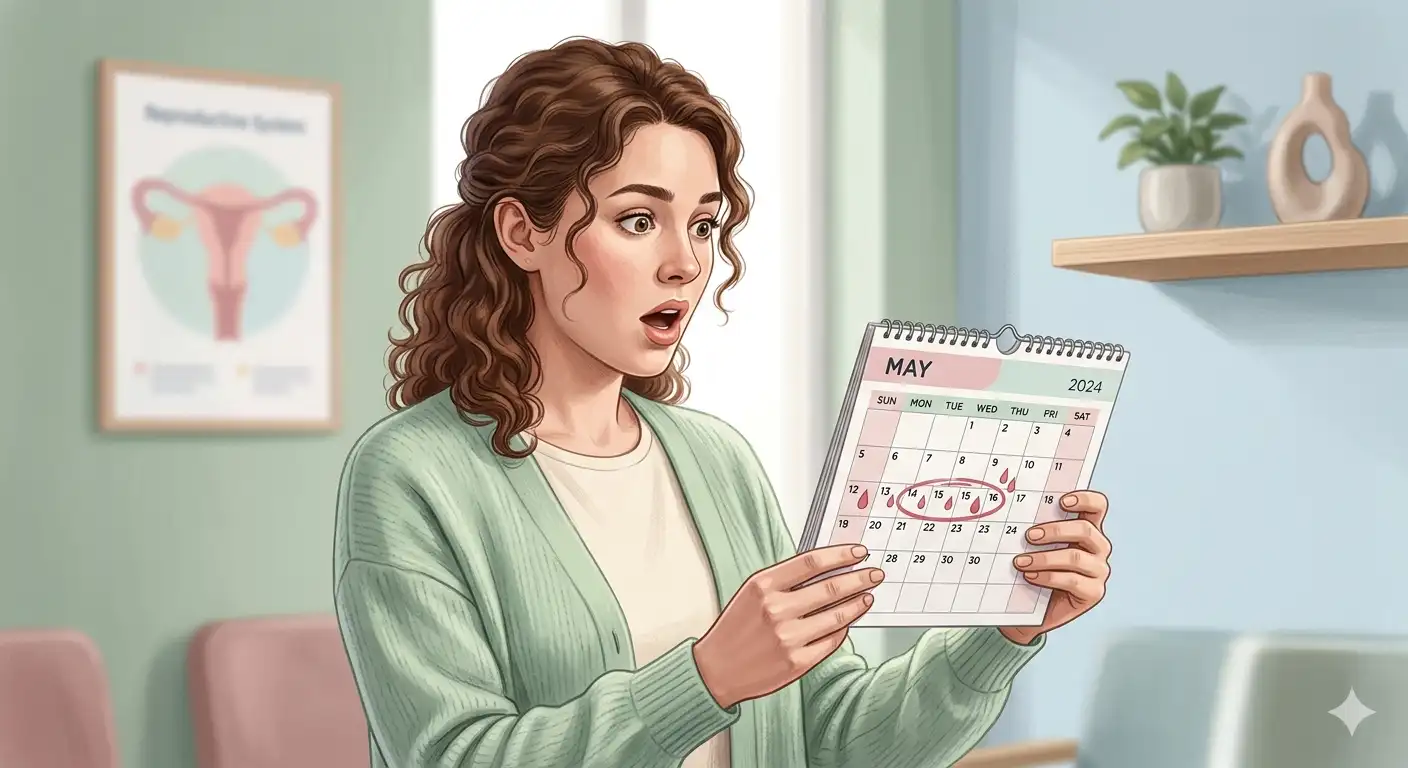
If you’ve had unprotected sex during your period and notice symptoms like missed periods, nausea, or fatigue later, it’s wise to take a pregnancy test.
Emergency contraception can also be effective if taken within a specific timeframe after intercourse. Consulting a healthcare professional ensures better clarity and guidance.
Tracking your cycle and using protection are the safest ways to prevent unintended pregnancy, regardless of the timing.
Final Thoughts: Knowledge Is Protection
The idea that menstruation guarantees protection from pregnancy is outdated. While the chances are lower, they are not zero.
Being informed about how your cycle works can make a significant difference in reproductive health decisions. Whether you are trying to conceive or avoid pregnancy, awareness is your best tool.