 thebravewritingcompany@gmail.com
Introduction to Intimacy and Menstruation in Islam
In Islam, purity, modesty, and discipline form the foundation of daily life, including intimate relationships. The topic of sex during menstruation is clearly addressed within Islamic teachings, leaving no room for confusion when properly understood. We aim to present a comprehensive, precise, and deeply detailed explanation of the rules governing intimacy during a woman’s menstrual cycle, ensuring clarity for those seeking guidance.
Understanding these rulings is essential for maintaining spiritual cleanliness, marital harmony, and obedience to divine commands.
Clear Prohibition of Intercourse During Menstruation
Islam explicitly prohibits sexual intercourse during a woman’s menstrual period (Hayd). This ruling is derived from the Quran, which clearly states that menstruation is a condition requiring abstention from intercourse.
We emphasize that:
- Penetrative sexual intercourse is strictly forbidden during menstruation
- This prohibition remains until the woman has completely stopped bleeding and purified herself
- Engaging in intercourse during this time is considered a major sin
This ruling is not symbolic—it is a direct command that must be followed without compromise.
What is Allowed During Periods in Islam
While intercourse is prohibited, Islam does not impose a complete physical separation between spouses. Instead, it allows controlled and respectful intimacy.
Permissible actions include:
- Kissing and hugging
- Non-penetrative physical affection
- Emotional closeness and bonding
However, we must highlight a key boundary:
- The area between the navel and the knees should be avoided for direct sexual stimulation
This balanced approach ensures that marital affection continues, while maintaining respect for divine limits.
When Intimacy Becomes Permissible Again
Once menstruation ends, intimacy becomes lawful again—but not immediately upon cessation of bleeding.
Two conditions must be fulfilled:
- Complete stoppage of menstrual bleeding
- Performing Ghusl (ritual purification bath)
Only after both conditions are met does intercourse become permissible.
This requirement ensures:
- Physical cleanliness
- Spiritual readiness
- Adherence to Islamic law
Skipping Ghusl and engaging in intercourse is not allowed, even if bleeding has stopped.
The Importance of Ghusl After Menstruation
Ghusl is a mandatory purification ritual that marks the transition from a state of impurity to purity.
The essential steps include:
- Washing the entire body thoroughly
- Ensuring water reaches every part of the body, including hair and scalp
- Making the intention (niyyah) for purification
Without performing Ghusl, a woman remains in a state where:
- Prayer (Salah) is not permitted
- Fasting is invalid
- Sexual intercourse remains prohibited
Ghusl is not optional—it is a compulsory act of worship.
Wisdom Behind the Prohibition
The prohibition of intercourse during menstruation reflects both spiritual discipline and physical well-being.
Key wisdoms include:
- Protection from health complications and infections
- Preservation of cleanliness and hygiene
- Reinforcement of self-control and obedience
Islam consistently aligns spiritual guidance with practical benefits, ensuring a holistic approach to human life.
Expiation (Kaffarah) for Violating the Rule
If a couple engages in intercourse during menstruation, they are required to:
- Seek sincere repentance (Tawbah)
- Feel genuine regret and resolve never to repeat the act
In some interpretations, an expiation (Kaffarah) may include:
- Giving charity equivalent to a certain amount of gold or silver value
The key emphasis remains on:
- Immediate repentance
- Acknowledgment of wrongdoing
- Commitment to correction
Common Misconceptions About Periods and Intimacy
Many misunderstandings exist around this topic. We clarify them below:
Myth 1: All Physical Contact is Forbidden
This is incorrect. Islam allows non-sexual and limited sexual affection outside the prohibited area.
Myth 2: A Woman is Completely Impure
Menstruation does not make a woman spiritually inferior. It is a natural biological process, and she remains honored and respected.
Myth 3: Intercourse is Allowed with Protection
This is false. The prohibition applies regardless of protection or method.
Emotional and Marital Balance During Menstruation
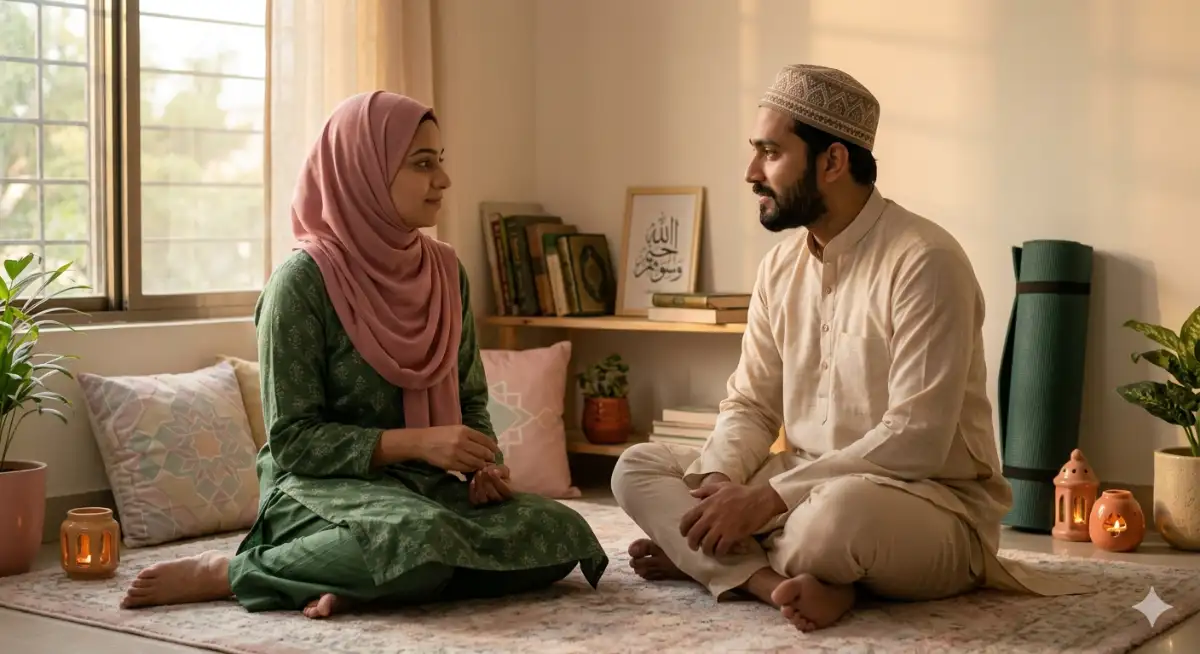
Islam recognizes the importance of maintaining emotional connection between spouses, even when physical relations are restricted.
Couples are encouraged to:
- Communicate openly
- Show affection in permissible ways
- Support each other emotionally
This period should not be seen as a barrier but as an opportunity to strengthen non-physical aspects of the relationship.
Spiritual Perspective on Menstruation in Islam
Menstruation is not viewed negatively in Islam. Instead, it is:
- A natural and divinely designed process
- A time when certain obligations are lifted from women, such as prayer and fasting
- A period of rest and recovery
Women are not required to make up missed prayers but must make up missed fasts after Ramadan.
This demonstrates Islam’s compassion and practicality.
Conclusion: Discipline, Respect, and Obedience
The rules regarding sex and periods in Islam are clear, structured, and purposeful. They ensure:
- Respect for natural processes
- Maintenance of cleanliness and purity
- Preservation of marital harmony within defined boundaries
By adhering to these guidelines, we uphold not only religious obligations but also ethical and physical well-being. True compliance lies in understanding and practicing these rulings with sincerity and discipline, ensuring a balanced and respectful marital life.