Many believe period sex eliminates pregnancy risk completely, but biology reveals surprising exceptions you shouldn’t ignore.
The idea that sex during menstruation is completely safe from pregnancy is widespread, yet not entirely accurate. While the chances are lower compared to other times in the cycle, pregnancy during a period is still possible under certain conditions. Understanding how this happens can help individuals make informed decisions about their sexual health.
Understanding the Menstrual Cycle and Fertility Window
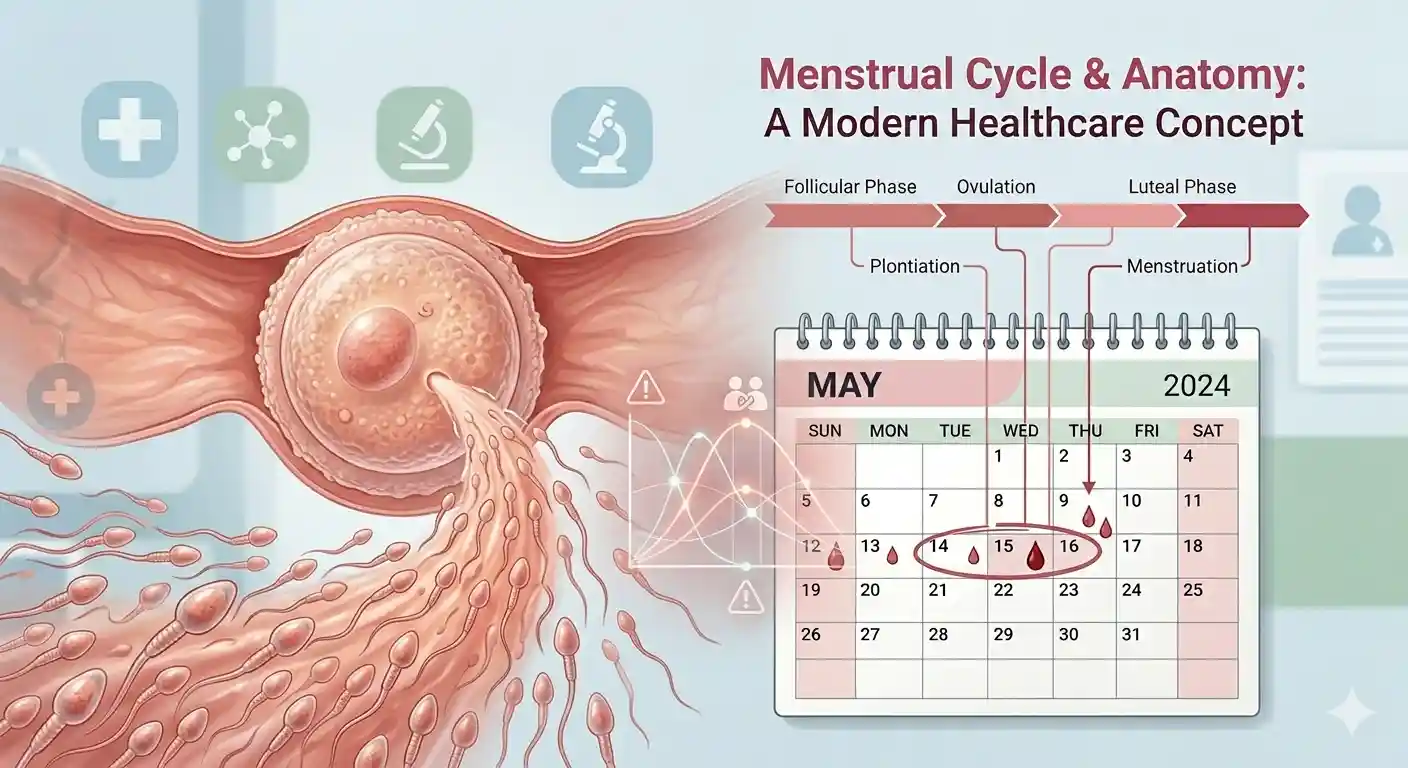
The menstrual cycle typically lasts between 21 to 35 days, with ovulation occurring around the middle of the cycle. This is when an egg is released and is available for fertilization.
However, sperm can survive inside the female reproductive system for up to five days. This means that if someone has sex towards the end of their period and ovulation occurs soon after, there is still a chance of pregnancy. This is especially true for those with short or irregular cycles, where ovulation may happen earlier than expected.
Why Period Sex Isn’t Completely Risk-Free
Many people assume that menstruation means the body is not fertile, but that is a misconception. Fertility depends on ovulation timing, not bleeding alone.
Here are key reasons why pregnancy can still occur:
- Early ovulation: Some individuals ovulate shortly after their period ends.
- Long sperm lifespan: Sperm staying alive for several days increases risk.
- Irregular cycles: Makes predicting safe days unreliable.
Because of these factors, period sex should not be considered a foolproof method of contraception.
How High Is the Pregnancy Risk During Periods?
The risk of pregnancy during menstruation is generally low, but not zero. It depends on:
- Length of menstrual cycle
- Timing of intercourse
- Ovulation patterns
For example, someone with a shorter cycle (around 21 days) has a higher chance compared to someone with a longer cycle (around 35 days). The closer sex occurs to ovulation, the higher the risk becomes, even if it happens during bleeding.
Other Health Considerations of Period Sex
Aside from pregnancy risk, there are other factors to consider:
- Higher risk of infections: The cervix may be slightly more open during menstruation.
- Transmission of STIs: Blood can increase the likelihood of spreading infections.
- Hygiene concerns: Proper precautions are necessary.
That said, some people report benefits such as reduced menstrual cramps and increased pleasure, due to hormonal changes during this time.
Should You Use Protection During Period Sex?
Yes, protection is still recommended. Even during menstruation:
- Condoms help prevent both pregnancy and sexually transmitted infections
- Hormonal birth control provides additional safety
- Emergency contraception can be used if needed
Relying solely on the timing of a period is risky, so consistent protection is the safest approach.
The Bottom Line: Myth vs Reality
The belief that you cannot get pregnant during your period is a myth. While the probability is lower, it is not impossible. Factors like sperm survival and early ovulation play a significant role.
Understanding your body and cycle is important, but using reliable contraception remains the best way to prevent unintended pregnancy, regardless of timing.